
Best wood for outdoor furniture: cedar vs treated vs pine
Compare the woods you can actually buy by cost, rot resistance and weight, then pick the right one for your project.
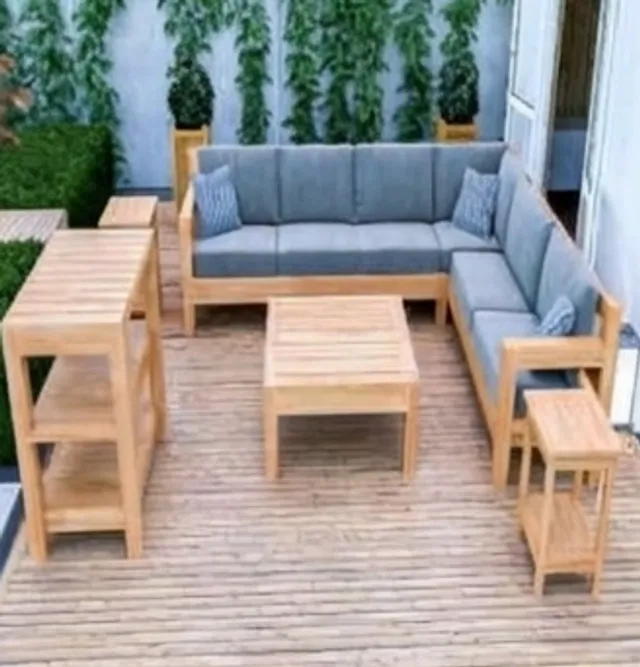
For most DIY builders, the best wood for outdoor furniture is cedar: it's naturally rot-resistant, lightweight, easy to cut and looks great. If budget comes first, pressure-treated pine is the strongest, cheapest option and lasts for years outdoors. Teak and ipe outlast both but cost far more. Avoid untreated pine, fir and spruce outside.
Nothing is more frustrating than spending a weekend building a picnic table or patio chairs and watching them gray, crack or rot within a couple of seasons. Usually it isn't the build that failed. It's the wood.
This guide compares the woods you'll actually find at a home improvement store or lumber yard, so you can pick the right one for your project and your budget, and make it last.
Outdoor wood comparison chart
| Wood | Rot resistance | Cost | Weight | Best for |
|---|---|---|---|---|
| Cedar | High (heartwood) | $$ | Light | Chairs, sofas, planters, most furniture |
| Pressure-treated pine | High (chemical) | $ | Heavy when wet | Picnic tables, bases, anything near the ground |
| Redwood | High (heartwood) | $$–$$$ | Light | Same uses as cedar, mostly in the western US |
| White oak | Good | $$$ | Heavy | Benches and heirloom pieces |
| Teak | Excellent | $$$$ | Medium | High-end furniture |
| Ipe | Excellent | $$$$ | Very heavy | Tabletops and seats that take a beating |
| Untreated pine, fir, spruce | Low | $ | Light | Indoor projects only |
Cedar: the best all-rounder
Western red cedar is the go-to outdoor wood for good reason. Its heartwood contains natural oils that resist rot and insects without any chemical treatment. It's one of the lightest woods you can build with, so chairs and sofas stay easy to move, and it's soft enough to cut, drill and sand with basic tools.
- Pros: naturally rot-resistant, lightweight, stable (resists warping), smells great, beautiful color.
- Cons: costs more than pressure-treated, soft enough to dent, and screws can strip if you over-drive them.
- Buying tip: the darker reddish-brown heartwood is what resists rot. The pale sapwood near the edges doesn't, so favor boards with mostly dark wood for parts that touch the ground or stay wet.
Left unfinished, cedar weathers to a silver-gray. Some people love that look. If you want to keep the warm color, seal it with an exterior penetrating oil or stain.
Pressure-treated pine: the budget workhorse
Pressure-treated (PT) lumber is ordinary pine forced full of preservative under pressure. It's the cheapest rot-resistant option, it's strong, and it's available in every size at every store. That makes it a great choice for picnic tables, bench frames and anything that sits on or near the ground.
- Pros: inexpensive, strong, resists rot and insects, available everywhere.
- Cons: often sold wet, so it's heavy and can shrink, twist or check as it dries; it has a green or brown tint until it weathers; and it needs the right screws.
Working with pressure-treated wood
- Check the label. PT lumber is rated either "above ground" or "ground contact." Use ground-contact lumber for parts that touch soil or stay damp, like greenhouse sills or legs set on grass.
- Use the right fasteners. Modern treatments contain copper, which corrodes ordinary steel. Use hot-dip galvanized or stainless steel screws, or screws whose packaging says they're approved for treated lumber.
- Let it dry before finishing. Sprinkle some water on the board. If it beads up, the wood is still too wet to stain. If it soaks in, you're ready.
- Protect yourself. Wear a dust mask when cutting or sanding, wash your hands afterwards, and never burn the offcuts.
Teak, ipe and other premium woods
Teak is the classic material for high-end outdoor furniture. It's dense, naturally oily and lasts for decades with almost no maintenance. Ipe is a Brazilian hardwood so hard and dense it's practically indestructible, but it dulls blades and every screw hole needs pre-drilling. Both are expensive and harder to find, so many builders use them only for tabletops or accents.
White oak (not red oak) resists rot well and makes beautiful, heavy benches, but it needs a good finish because it can darken where moisture sits.
Woods to avoid outdoors
- Untreated pine, fir and spruce: the common "whitewood" boards and studs. They're fine indoors but rot fast outside, even with paint.
- Red oak: its open pores soak up water, so it rots quickly outdoors.
- MDF, particleboard and interior plywood: they swell and fall apart once they get wet. If you need sheet goods outside, use exterior-rated plywood and seal the edges.
Which wood for which project
| Project | Best choice | Budget choice |
|---|---|---|
| Picnic table | Cedar | Pressure-treated |
| Patio chairs and side table | Cedar | Pressure-treated, sanded well |
| Outdoor sofa set | Cedar (light enough to move) | Pressure-treated |
| Tiered flower planter | Cedar | Pressure-treated, lined with landscape fabric |
| Garden greenhouse frame | Cedar, with ground-contact PT sills | Pressure-treated (ground contact at the base) |
Building a planter for vegetables? Many gardeners prefer cedar for edible plants simply for peace of mind. If you use pressure-treated lumber, lining the inside with landscape fabric or plastic keeps soil off the wood.
How to make outdoor furniture last
- Keep end grain off the ground. Legs soak up water through their ends like straws. Add plastic feet or set furniture on pavers, and seal the end grain.
- Let water drain. Leave small gaps (about ¼") between tabletop and seat boards so rain runs off instead of pooling.
- Use outdoor glue. If a joint is glued, use a glue rated waterproof or water-resistant for exterior use.
- Use a penetrating finish. Exterior oils and stains soak in and won't peel. Film finishes like ordinary varnish crack and flake outdoors. Plan to re-coat every year or two.
- Round the edges. Sanded, rounded edges shed water better, chip less and are kinder to bare legs.
Before you head to the store, check our lumber size chart, because a 2x6 isn't 6" wide, and make sure you have the right beginner tools for the build. Every RigalShop outdoor plan, from the picnic table to the garden greenhouse, includes a full materials list in standard lumber sizes, plus staining tips for a clean finish.
Frequently asked questions
What is the best wood for outdoor furniture?
Cedar is the best all-round choice for most DIY builders: it is naturally rot-resistant, lightweight and easy to work. Pressure-treated pine is the best budget choice. Teak and ipe last longest but cost far more.
Is pressure-treated wood safe for outdoor furniture?
Yes, for furniture. Residential pressure-treated lumber has used copper-based preservatives instead of arsenic since the early 2000s. Wear a dust mask when cutting or sanding it, wash your hands afterwards, never burn offcuts, and don't use it as a food-prep surface.
Can I use regular pine for outdoor furniture?
Not for long. Untreated pine, fir and spruce rot quickly outdoors, even when painted. Use cedar, redwood or pressure-treated lumber for anything that lives outside.
Do I need to seal cedar outdoor furniture?
No, cedar's heartwood resists rot on its own and weathers to a silver-gray. Seal it with an exterior penetrating oil or stain if you want to keep its warm color, and re-coat every year or two.
Get a free woodworking plan
75 step-by-step plans with cut lists and 3D diagrams are launching soon. Join the early access list and the first 100 members get a free plan.
No spam, ever. Unsubscribe anytime. Privacy policy.